
Integrative Oncology Telemedicine in Texas: A Functional Medicine Guide
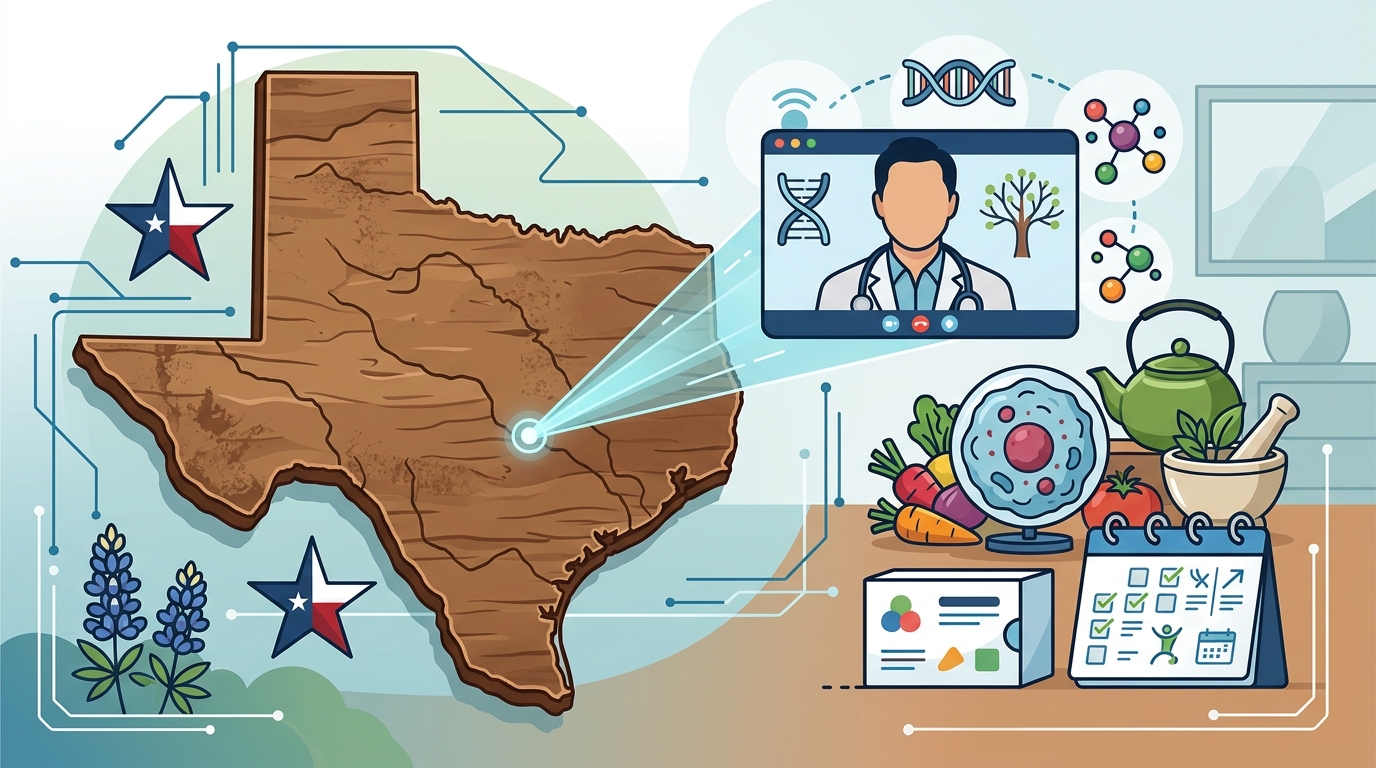
Direct Integrative Care provides telemedicine-based integrative oncology support using a functional medicine framework for clients in Texas. Led by Yoon Hang Kim, MD, MPH, the practice focuses on root-cause analysis and lifestyle optimization alongside conventional cancer treatment. This guide explains how telemedicine integrative oncology works, the role of functional medicine practitioners, and how to select a provider who aligns with your specific health goals.
What Is Integrative Oncology Telemedicine?
Core Components of Remote Care
Telemedicine vs. In-Person Care
The Functional Medicine Approach to Cancer Support
Functional medicine is a systems-based approach to healthcare that focuses on identifying and addressing the root causes of disease. In the context of oncology, it does not replace conventional treatments like surgery, chemotherapy, or radiation. Instead, it works alongside these therapies to optimize the patient's overall health and reduce treatment toxicity. For additional details, review the Frequently Asked Questions.
Root Cause Analysis
Practitioners look beyond the tumor to understand the underlying physiological imbalances. This may involve assessing gut health, immune function, and environmental exposures. By addressing these foundational issues, the body may better tolerate and respond to standard cancer care. For additional details, review the About.
Personalized Lifestyle Interventions
Finding the Right Practitioner in Texas
Selecting a provider for integrative oncology requires careful consideration of credentials, philosophy, and logistical fit. Not all practitioners who use the term "functional medicine" have the same training or approach. It is essential to verify that the provider works collaboratively with your primary oncology team.
Verifying Credentials and Training
Look for board certification in preventive medicine or a related field, along with specific training in functional medicine. Yoon Hang Kim, MD, MPH, holds board certification in Preventive Medicine and an IFM Scholar designation. This combination ensures a rigorous, evidence-based foundation for clinical decisions.
Scope of Practice and Collaboration
A reputable integrative oncology provider will clearly define their scope of practice. They should emphasize that their role is consultative and supportive, not a replacement for your primary oncologist. Direct Integrative Care positions its services as working alongside your primary care physician and oncology team to ensure coordinated care.
Understanding Membership Models and Telehealth
Many integrative medicine practices operate on a membership model rather than traditional insurance billing. This structure allows for longer appointment times and more personalized attention. It removes the pressure of coding and reimbursement rules, enabling clinical decisions to follow the patient's actual needs.
How Membership Works
Membership typically involves a monthly fee that covers a set number of consultations and access to the provider. This model is often referred to as Direct Primary Care (DPC) or concierge medicine. It provides transparency in pricing and a direct relationship between the patient and the doctor.
Telehealth Logistics in Texas
Telemedicine laws in Texas allow for the provision of medical services via video or telephone. Patients must be physically located in a state where the provider holds an active medical license at the time of the consultation. Direct Integrative Care serves clients in Texas, among other states, through secure telehealth platforms.
| Appointment Length | 10-15 minutes | 30-60+ minutes |
| Decision Making | Driven by reimbursement rules | Driven by patient needs |
| Access | Requires insurance authorization | Direct access to provider |
| Cost Structure | Copays and deductibles | Transparent monthly fee |
Key Takeaways
- Functional medicine focuses on root causes and works alongside conventional cancer treatments.
- Verify practitioner credentials, including board certification and specific functional medicine training.
- Ensure the provider collaborates with your primary oncology team rather than replacing them.
- Telemedicine requires the patient to be in a state where the provider is licensed.
Frequently Asked Questions
Does integrative oncology replace chemotherapy or radiation?
Can I see a functional medicine doctor via telemedicine in Texas?
What is the difference between functional medicine and conventional medicine?
Conventional medicine often focuses on treating symptoms and managing disease. Functional medicine seeks to identify and address the underlying root causes of health issues, using a systems-based approach.
How does a membership-based practice work?
Is telemedicine safe for cancer patients?
Telemedicine is a safe and effective way to provide consultative support. It allows for regular check-ins and adjustments to lifestyle interventions without the burden of frequent travel.
Who leads Direct Integrative Care?
Direct Integrative Care is led by Yoon Hang Kim, MD, MPH, who is board-certified in Preventive Medicine and practices Integrative and Functional Medicine.
Does Direct Integrative Care accept insurance?
Direct Integrative Care operates on a membership model and does not bill third-party insurance. Services are provided through a transparent monthly membership fee.